In 2006, Sir Ken Robinson delivered a powerful speech on the TED stage that made a profoundly moving and entertaining case for creating an education system that nurtures creativity. Years later, another TED speaker, Rita Pierson, made a similarly rousing speech about how ‘Every Kid Needs a Champion’.
Both speeches touch on similar themes i.e. unlocking belief in students, the power of language, and the importance of reframing. They both bring fresh perspectives on helping students to find their strengths and the role of positive encouragement in cultivating student potential. If you haven’t seen either, we highly recommend checking them out. We have provided a link to both videos further below.
Ken Robinson – Do Schools Kill Creativity?
Sir Ken Robinson was a British author, speaker and international advisor on education. Robinson was Director of the Arts in Schools Project and Professor of Arts Education at the University of Warwick. He was knighted for his services to the arts. Robinson’s TED talk carries a quite emotive title ‘Do Schools Kill Creativity’, which might seem overtly critical at first glance but the talk is moving, entertaining and thought provoking in equal parts.
Having a background in the arts, Robinson focuses his speech around creativity and allowing students to embrace their potential for the arts. However, the essence of the speech can be applied to all facets of education.
Robinson’s contention is that all kids have tremendous talents and that we, as a society, squander them by not allowing them to believe in their own potential. He shares countless stories about the extraordinary gifts for creativity that children have within them. He speaks of how children are not afraid to take chances and are prepared to be wrong. This, he says, is a gift as “if you’re not prepared to be wrong, you’ll never come up with anything original”. Robinson goes on to quote Pablo Picasso, who once said that “Every child is an artist; the problem is how to remain an artist once we grow up.”
During one of the most poignant moments of the talk, Robinson shares the story of Gillian Lyne, an internationally celebrated choreographer who ended up playing a major role in two of the longest-running shows in the history of Broadway, Cats and Phantom of the Opera. She told him about her time at school. She said she was “hopeless” and was sent to a specialist to find the root of her poor behaviour. Her story could have gone in a completely different direction had one person not spotted her aptitude for dancing and encouraged her to embrace it by enrolling in a dance school.
During his speech, Robinson shares three things that we know about intelligence. He states that intelligence is diverse, it is dynamic, and it is distinct. All three point to the fact that intelligence is not singular and can manifest in different ways for different people. Some students may have an aptitude for the arts. Some may be more mathematical. Some may be innovative, while others may find that their strength lies in languages. Or, as Robinson puts it, some think and learn visually, kinesthetically, musically or abstractly. The key is to cultivate the student’s whole being and help them to find their own unique strength.
While Robinson focuses on cultivating student’s capacity for the arts, the overarching theme is to search for the unique talents of each student. He ends with the rallying cry that “our task is to educate children’s whole being so that they can face this future…we may not see their future, but they will. And our job is to help them make something of it.”
Rita Pierson — Every Kid Needs a Champion
Rita F. Pierson was a professional educator for over 40 years. She taught elementary school, junior high and special education. She was a counsellor, a testing coordinator and an assistant principal. Her 2013 speech is based around the role of human connection in education and how every child deserves a champion. This is an adult who “never gives up on them, understands the power of connection and insists that they become the best that they can possibly be.”
Pierson’s talk focuses on one particular class group that were “so academically deficient that I cried.” Facing an uphill challenge, she asked herself two important questions “How am I going to take this group, in nine months, from where they are to where they need to be?” and “How am I going to raise the self-esteem of a child and their academic achievement at the same time?”
The answers to those questions lay in positive reframing; celebrating small wins (even a student getting two of twenty answers right, rather than eighteen wrong) and giving students confidence by focusing on their strengths and capabilities. But, most importantly, Pierson focused on using positive language and affirmations to build self-confidence in her students.
Unlocking Each Student’s Own Unique Potential
Both of these TED talks have become important touchstones at Athena Analytics because of their shared messages about the power of reframing and cultivating student potential. For Sir. Ken Robinson that means encouraging students who are artistically inclined to embrace their creativity and not feel like they have to conform to a particular way of thinking. For Rita Pierson, that means focusing on the positives and empowering students to believe in themselves and their ability.
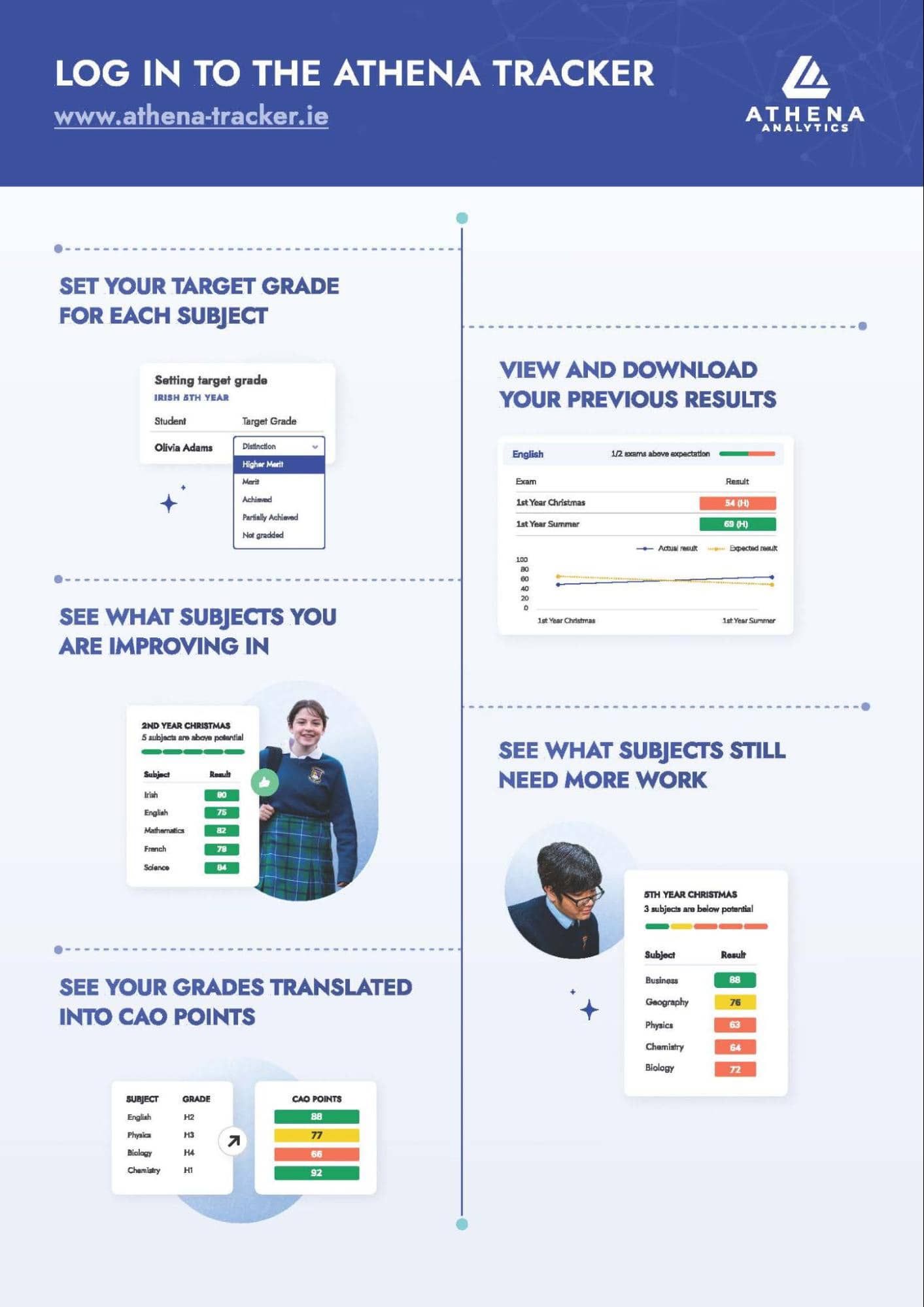
For us at Athena Analytics, the power of reframing comes in shining a light on every single student individually and encouraging each student to understand their own particular strengths and unlock their own unique potential.
To learn more about the Athena Tracker click here.